
We often imagine that sleeping is simply "putting the body on pause." In reality, nighttime is a time of intense repair : hormones are regulated, energy is replenished, and the immune system is strengthened. But when this cycle is disrupted by multiple awakenings or fragmented sleep, our entire balance suffers. The good news? Simple habits can transform your nights.
The invisible effects of fragmented sleep
Occasional poor sleep isn't serious. But when it becomes frequent, it silently affects:
Mood : irritability, fluctuating mood, increased anxiety,
Concentration : memory and alertness decline
vitality : persistent fatigue, dull complexion, weakened immune defenses.
Why? Because during the night, the body replenishes its reserves of nutrients and minerals . Disrupted sleep is like a tank that is never fully filled.
Melatonin, the hormone of good sleep
The brain naturally produces melatonin , the true "conductor" of our nights, at nightfall. But its action is easily disrupted:
blue light from screens
tobacco,
meals that were too heavy or too late
hormonal imbalances.
How can we preserve it?
Adopt a calming routine (reading, soft music, breathing exercises),
Limit your screen time in the evening.
Opt for a light dinner, rich in vegetables and low in stimulants.
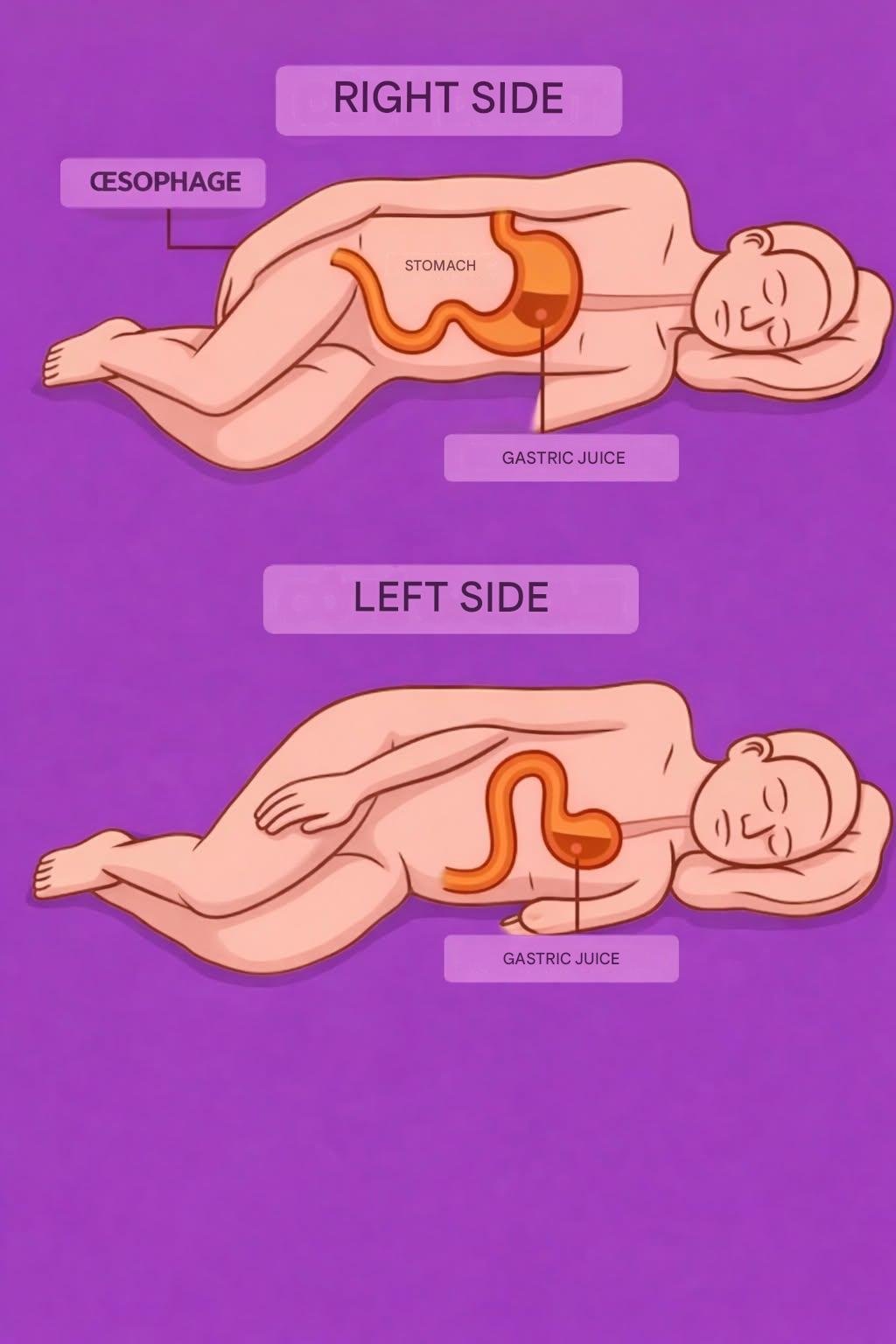
Your sleeping position: revealing and influential
Sleeping on your stomach

Comfortable for some, but… risky. It puts a lot of pressure on the neck and spine, promotes lower back tension, and can even impede blood circulation in the face (hello, premature wrinkles!).
Tip: if you can't change positions, place a flat cushion under your lower abdomen to protect your back.