
The Surprising Ingredient That Can Help Keep White Laundry Looking Bright
There’s nothing quite as satisfying as opening the washing machine and seeing bright, fresh-looking white clothes. Whether it's bed sheets, towels, shirts, or socks, white laundry often gives the impression of cleanliness and freshness.
Heartbreaking news. A true legend has passed away. When you see him, tears will well up... First comment: I'll tell you about this legend 😭💬👇🏻
10 signs of resentment from a son towards his motherCheck the first comment to see the signs and how to avoid them so your child doesn't get upset with you 💬👇🏻

I married a blind man so he would never see my scars — but on our wedding night, he told me, "You have to know the truth I've been hiding for 20 years."
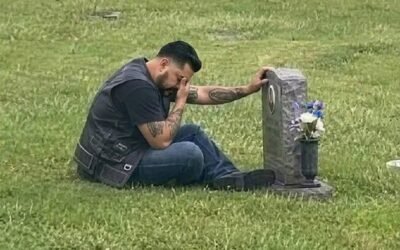
A biker came to my wife's grave every week, and for months, I had no idea who he was. For six months, I watched him from inside my car. Same day. Same time. Every Saturday at 2 p.m., he would ride his Harley to the cemetery, park near the old oak tree, and walk straight to Emily's headstone. Then he would sit by her grave for an hour. He never brought flowers. I never left a note. I never spoke loudly enough for her to hear. He would just sit cross-legged on the grass, his head bowed, as if he were carrying a pain too heavy to stand. The first time I saw him, I thought I had made a mistake. It was a big cemetery. Graves can easily get confused. But then he came back the following Saturday. And the Saturday after that. And again after that. Week after week, this stranger mourned my wife as if she belonged to him too. At first, I was confused. Then I got angry. Who was he? How did he know Emily? Why did this man show up for her every week, when some of her family barely showed up? Emily had died fourteen months earlier of breast cancer. She was only forty-three years old. We had been married for twenty years. Two children. A quiet home. A normal life. At least, that’s what I thought. Nothing in my wife’s life made sense with this man. Emily was a pediatric nurse. She volunteered at church. She drove a silver minivan and packed snacks for every school event. Her idea of breaking the rules was to order dessert before dinner. But this biker pitied her as if she had lost someone irreplaceable. Sometimes, from my car, I could see his shoulders shaking. Sometimes, before he left, he would place a hard hand on her gravestone and hold it there for several seconds. As if he were saying goodbye to her again. By the third month, I couldn’t take it anymore. That Saturday, I got out of my car and walked toward him. He heard my footsteps, but he didn’t turn around. His hand remained pressed against Emily’s name. “Excuse me,” I said, my voice clearer than I intended. “I’m Emily’s husband. I think it’s time you told me who you are.” For a long moment, he said nothing. Then he stood up slowly, turned to look at me, and looked like a man who had been waiting six months for this question. Finally, he said, Type “0503” and press “Like” to see the full story. A MOTORCYCLE SHOWED UP AT MY WIFE’S GRAVE EVERY WEEK, AND FOR MONTHS, I HAD NO IDEA WHO IT WAS. ___ For six months, I watched him from inside my car. Same day. Same time. Every Saturday at 2 p.m., he would ride his Harley to the cemetery, parking near the old oak tree and walking straight to Emily’s headstone. Then he would sit by her grave for an hour. He never brought flowers. I never left a note. I never spoke loudly enough for me to hear. He would just sit cross-legged on the grass, his head bowed, as if he were carrying a pain too heavy to stand. The first time I saw him, I thought I had made a mistake. It was a big cemetery. The graves can be easily confused. But then he came back the next Saturday. And the Saturday after that. And the Saturday after that. Week after week, this stranger mourned my wife as if she belonged to him too. At first, I was confused. Then I got angry. Who was he? How did he know Emily? Why did this man show up for her every week, when some of her family members barely showed up? Emily had died fourteen months earlier of breast cancer. He was only forty-three. We had been married for twenty years. Two children. A quiet home. A normal life. At least, that’s what I thought. Nothing in my wife’s life made sense with this man. Emily was a pediatric nurse. A volunteer at church. He drove a silver minivan and packed snacks for every school event. Her idea of breaking the rules was ordering dessert before dinner. But this biker felt sorry for her as if she had lost someone irreplaceable. Sometimes, from my car, I could see her shoulders shaking. Sometimes, before she left, she would place a hard hand on her gravestone and hold it there for several seconds. As if saying goodbye again. By the third month, I couldn’t take it anymore. That Saturday, I got out of my car and walked toward him. He heard my footsteps, but he didn’t turn around. His hand remained pressed against Emily’s name. “I’m sorry,” I said, my voice sharper than I intended. “I’m Emily’s husband. I think it’s time you told me who you are.” For a long moment, he said nothing. Then he stood up slowly, turned to me, and looked like a man who had been waiting six months for
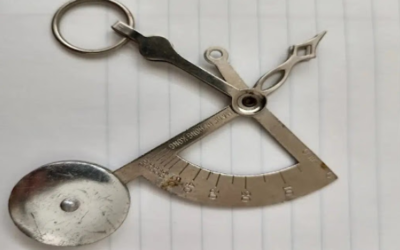
Only Legends Know What This Really Is: The Nostalgic History of the Vintage Postal Scale (And Why We Still Love Them)Leave a comment to learn more about this device and why we still love it 👇🏻💬