Why Cooling the Head Helps Sleep
The head and neck contain many blood vessels close to the skin’s surface. Because of this, temperature changes in this area can influence overall comfort perception.
When a cool pillowcase is placed against the skin:
Heat is drawn away from the body
Blood vessels near the surface cool slightly
The nervous system receives a “cool down” signal
The body becomes more relaxed
This cooling effect can help reduce the discomfort caused by overheating, especially during the first stage of falling asleep.
How to Use a Chilled Pillowcase Effectively
To get the best results from this method:
Place the pillowcase in the refrigerator for 30–60 minutes
Alternatively, use the freezer for a shorter time (10–15 minutes)
Avoid leaving it too long to prevent it from becoming uncomfortably cold or damp
Ensure it is dry before placing it on the pillow
Even a short period of cooling can provide noticeable relief when lying down in a warm room.
Why the Cooling Effect Doesn’t Need to Last All Night
One of the key advantages of this method is that it does not need to remain cold throughout the night.
Sleep onset—the process of falling asleep—is when temperature sensitivity is highest. Once the body enters deeper sleep stages, it becomes less dependent on external temperature adjustments.
This means:
A short cooling period can be enough
Initial comfort is often the most important factor
Even temporary relief can help prevent tossing and turning
Combining Both Methods for Better Results
When used together, these two methods complement each other:
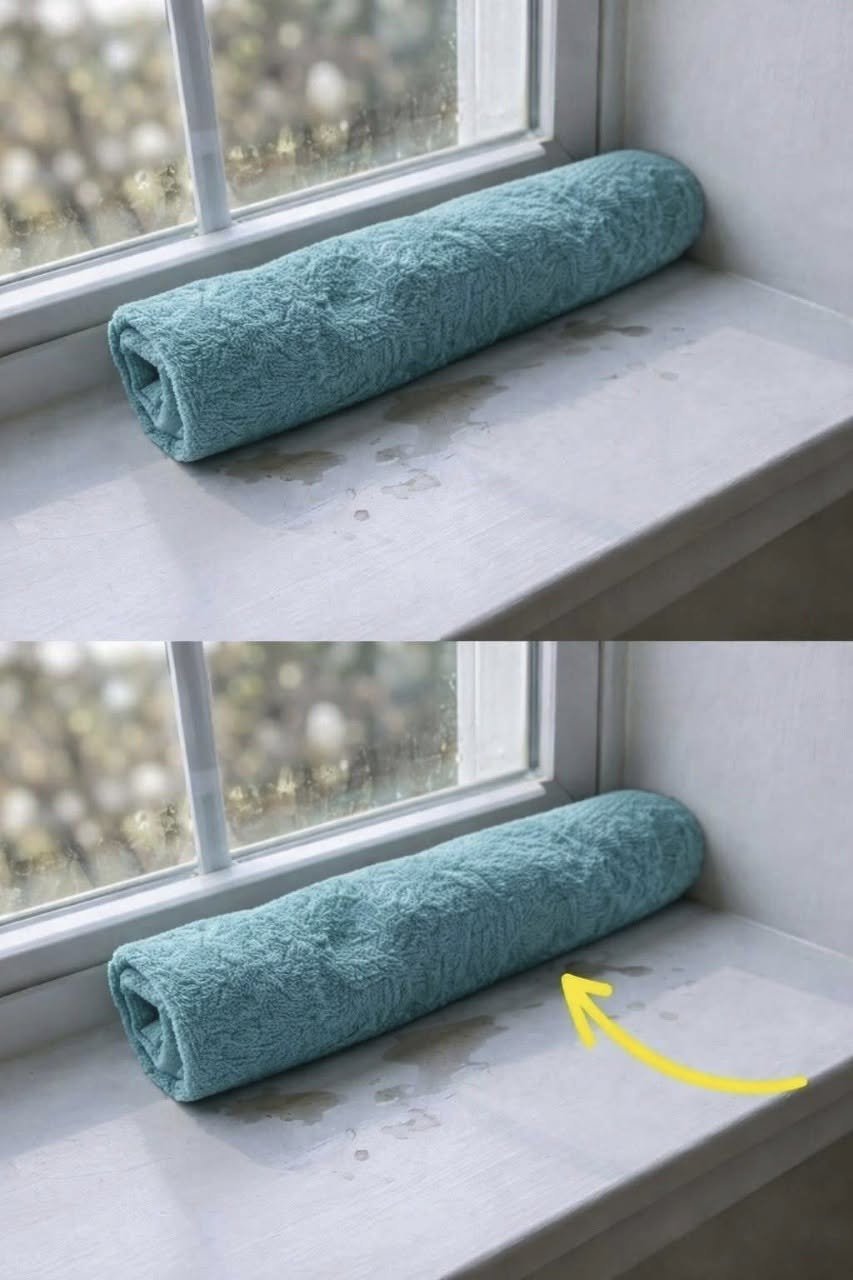
Wet towel method:
Improves room airflow
Slightly lowers perceived temperature
Chilled pillowcase method:
Directly cools the body
Helps initiate sleep more quickly
By addressing both environmental heat and body heat, the overall sleeping experience can become significantly more comfortable.
Additional Simple Ways to Stay Cool at Night
In addition to these two methods, several other low-cost strategies can improve sleep during hot conditions: