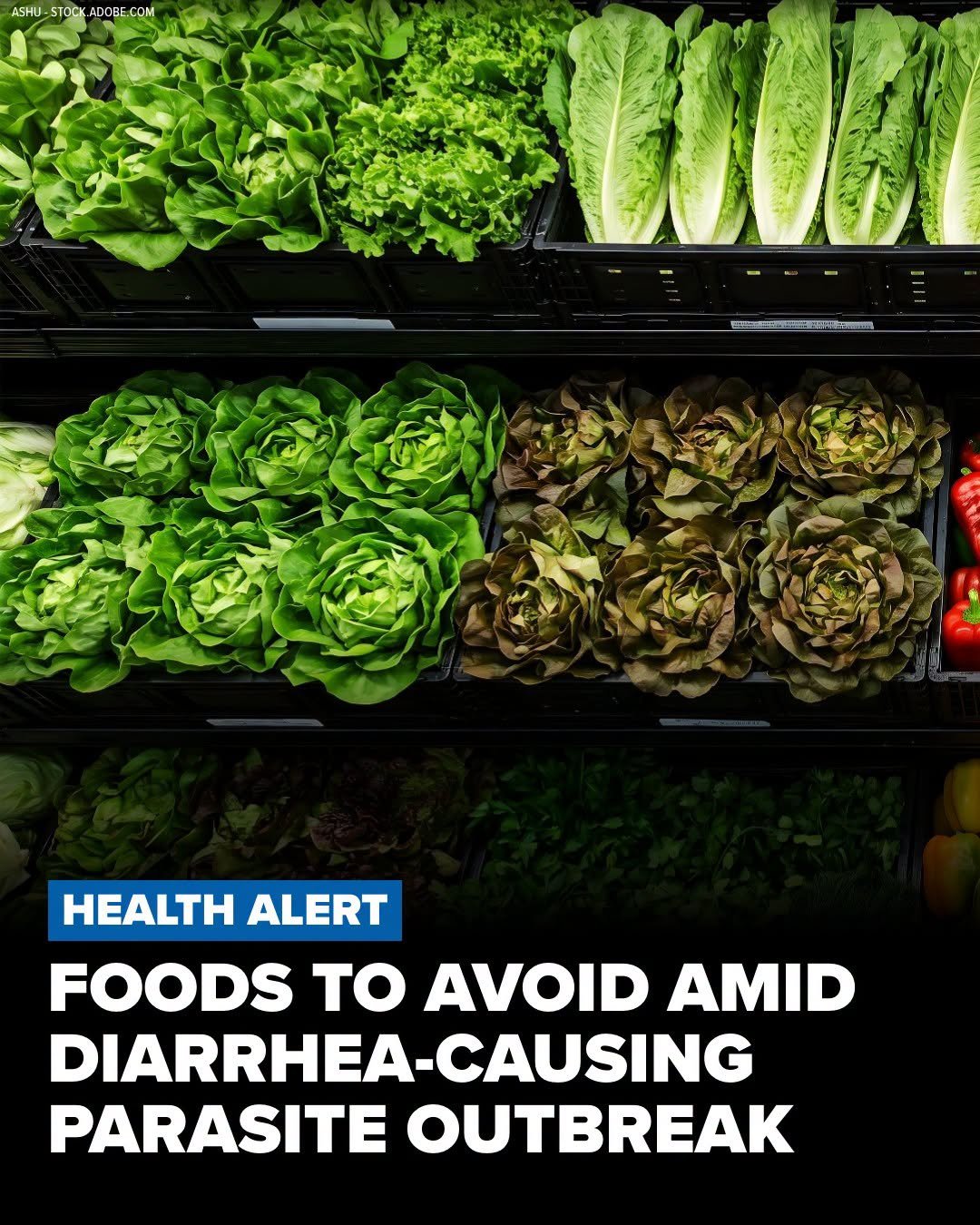
A parasitic outbreak causing ‘explosive’ diarrhea is spreading. Which foods are safest to eat, what to avoid and lessons from past outbreaks
-
Next up in 5
CHAOS: NCAA Is SCREWING Baylor, Trying To RUIN Bears' 2026 Season By BLOCKING Indiana Transfer?
-
48 hour rainfall totals map reveals hardest hit areas in South Central Texas
WASHINGTON — It has now been nearly two months since cases of cyclosporiasis have been spreading across the United States. According to health officials, nearly 7,000 cases have been confirmed or are under investigation in 34 states.
Cyclosporiasis is a gastrointestinal illness caused by the microscopic parasite Cyclospora cayetanensis. The illness is typically spread through food or water contaminated with human feces and has repeatedly been linked to fresh fruits and vegetables. Unlike many foodborne bacteria, the parasite is resistant to chlorine and many common sanitizing treatments, making prevention more challenging.
What foods are considered the safest?
Experts are not recommending that people stop eating fruits and vegetables, as produce remains an important part of a healthy diet.
Instead, consumers can reduce their risk by choosing foods that are less likely to carry the parasite, or that can be prepared safely through cooking.
Generally considered lower-risk options include:
- Frozen produce
- Anything cooked to 158 degrees
- Peeled fruits and vegetables such as bananas, oranges, avocados, pineapples and melons
- Cooked berries, such as jams, instead of raw berries
Foods that may carry a higher risk
Because the source of the current outbreak has not yet been confirmed, health officials are not advising consumers to permanently avoid any specific produce. However, past outbreaks have frequently involved foods eaten raw.
Products that have been associated with previous outbreaks include:
- Bagged salads
- Leafy greens
- Fresh basil
- Cilantro
- Parsley
- Raspberries
- Snow peas
Does washing produce remove Cyclospora?
Washing fresh produce under running water is still recommended and can reduce dirt and some contaminants.
However, the agency notes that routine chemical disinfection and sanitization methods are unlikely to kill Cyclospora.
Cooking remains the most effective way to destroy Cyclospora cayetanensis.
Tips for reducing your risk
The Centers for Disease Control and Prevention recommends that consumers:
- Wash hands with soap and water before preparing food.
- Rinse fresh fruits and vegetables under running water.
- Refrigerate perishable produce promptly.
- Cook vegetables when possible during periods of increased concern.
- Avoid food or water that could be contaminated with human waste, particularly while traveling in areas where cyclosporiasis is more common.
Previous outbreaks
Although no single food has been confirmed in the current investigation, history provides clues about the types of products implicated.
Researchers reviewing major outbreaks found repeated links to imported fresh produce, particularly herbs and leafy vegetables. Those outbreaks have included:
- Fresh raspberries linked to multiple outbreaks during the 1990s.
- Fresh basil imported from Mexico, which caused a multistate U.S. outbreak in 2019 involving more than 130 laboratory-confirmed illnesses.
- Fresh cilantro, which has been associated with several outbreaks, including a 2023 restaurant outbreak in Alabama that investigators traced to cilantro imported from Mexico.
- Various outbreaks involving mixed salads and leafy greens over the past two decades.
Researchers note that fresh produce is particularly vulnerable because it is often consumed without cooking, allowing the parasite to survive until it is eaten.