Five years doesn’t sound long until you survive every one of them. Five years is sixty months, 1,825 days of slowly erasing who you are. I spent my entire twenties not celebrating milestones, not building dreams, not seeing the world—but learning how to disappear.
Five years of waking before sunrise to boil soup, crush medication, and master the exact angles needed to turn an unmoving body so his skin wouldn’t tear. Five years of therapy appointments, sleepless nights, rigid medication charts, and hollow smiles for a man who could stare straight through me without ever noticing I was there.
Back when I was still naïve enough to call it love, I believed sacrifice equaled devotion. That pain was the cost 0f permanence. “In sickness and in health,” I repeated like a prayer whenever my back gave out or the scent of antiseptic clung to me so long I forgot what perfume smelled like.
Lucas’s accident happened on a lonely stretch of road near Golden. A drunk driver. Mangled steel. One life split cleanly in two. He survived. His legs didn’t. And I—Marianne Cortez—stayed. I transformed our home into a medical ward. Learned wheelchairs, catheters, emergency procedures. Learned how to stay calm while he raged, withdrew, or shut down for days at a time.
Then came that Tuesday. The day everything I believed about myself was altered.
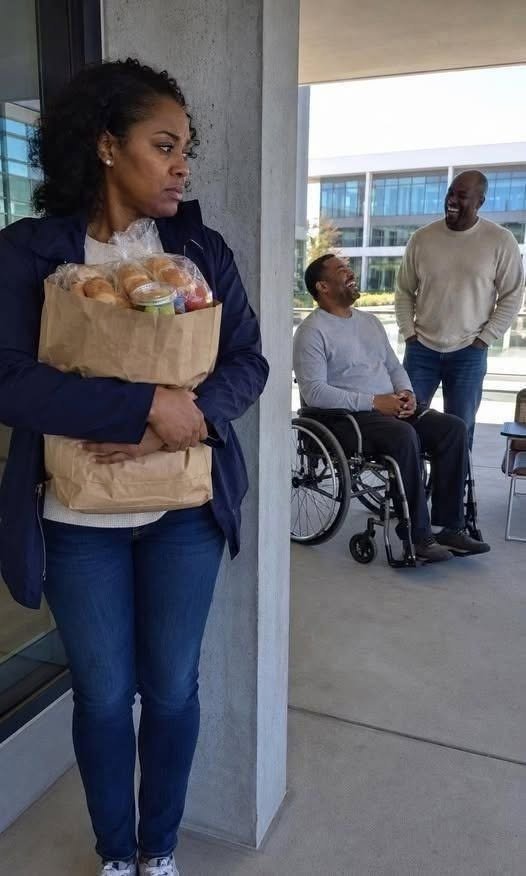
I was carrying a brown paper bag filled with warm, sweet bread—his favorite. Fresh. Soft. I’d woken before dawn to stop at the bakery before heading to Front Range Medical Pavilion, wanting to bring him something comforting. I walked through the rehab wing with that familiar, foolish hope still intact when I heard his voice.
He was on the terrace where patients sat in the sun. I paused behind a concrete pillar—not to listen, but to straighten my hair. I wanted to look nice for my husband.
“She’s basically unpaid labor,” Lucas said, laughing. His voice was strong. Clear. Entertained. “I don’t pay her, she never complains, and she’s young enough to haul me around all day.”
Heartbreaking news. A true legend has passed away. When you see him, tears will well up... First comment: I'll tell you about this legend 😭💬👇🏻
10 signs of resentment from a son towards his motherCheck the first comment to see the signs and how to avoid them so your child doesn't get upset with you 💬👇🏻

I married a blind man so he would never see my scars — but on our wedding night, he told me, "You have to know the truth I've been hiding for 20 years."
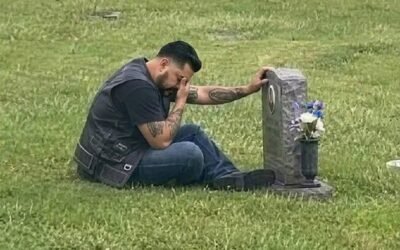
A biker came to my wife's grave every week, and for months, I had no idea who he was. For six months, I watched him from inside my car. Same day. Same time. Every Saturday at 2 p.m., he would ride his Harley to the cemetery, park near the old oak tree, and walk straight to Emily's headstone. Then he would sit by her grave for an hour. He never brought flowers. I never left a note. I never spoke loudly enough for her to hear. He would just sit cross-legged on the grass, his head bowed, as if he were carrying a pain too heavy to stand. The first time I saw him, I thought I had made a mistake. It was a big cemetery. Graves can easily get confused. But then he came back the following Saturday. And the Saturday after that. And again after that. Week after week, this stranger mourned my wife as if she belonged to him too. At first, I was confused. Then I got angry. Who was he? How did he know Emily? Why did this man show up for her every week, when some of her family barely showed up? Emily had died fourteen months earlier of breast cancer. She was only forty-three years old. We had been married for twenty years. Two children. A quiet home. A normal life. At least, that’s what I thought. Nothing in my wife’s life made sense with this man. Emily was a pediatric nurse. She volunteered at church. She drove a silver minivan and packed snacks for every school event. Her idea of breaking the rules was to order dessert before dinner. But this biker pitied her as if she had lost someone irreplaceable. Sometimes, from my car, I could see his shoulders shaking. Sometimes, before he left, he would place a hard hand on her gravestone and hold it there for several seconds. As if he were saying goodbye to her again. By the third month, I couldn’t take it anymore. That Saturday, I got out of my car and walked toward him. He heard my footsteps, but he didn’t turn around. His hand remained pressed against Emily’s name. “Excuse me,” I said, my voice clearer than I intended. “I’m Emily’s husband. I think it’s time you told me who you are.” For a long moment, he said nothing. Then he stood up slowly, turned to look at me, and looked like a man who had been waiting six months for this question. Finally, he said, Type “0503” and press “Like” to see the full story. A MOTORCYCLE SHOWED UP AT MY WIFE’S GRAVE EVERY WEEK, AND FOR MONTHS, I HAD NO IDEA WHO IT WAS. ___ For six months, I watched him from inside my car. Same day. Same time. Every Saturday at 2 p.m., he would ride his Harley to the cemetery, parking near the old oak tree and walking straight to Emily’s headstone. Then he would sit by her grave for an hour. He never brought flowers. I never left a note. I never spoke loudly enough for me to hear. He would just sit cross-legged on the grass, his head bowed, as if he were carrying a pain too heavy to stand. The first time I saw him, I thought I had made a mistake. It was a big cemetery. The graves can be easily confused. But then he came back the next Saturday. And the Saturday after that. And the Saturday after that. Week after week, this stranger mourned my wife as if she belonged to him too. At first, I was confused. Then I got angry. Who was he? How did he know Emily? Why did this man show up for her every week, when some of her family members barely showed up? Emily had died fourteen months earlier of breast cancer. He was only forty-three. We had been married for twenty years. Two children. A quiet home. A normal life. At least, that’s what I thought. Nothing in my wife’s life made sense with this man. Emily was a pediatric nurse. A volunteer at church. He drove a silver minivan and packed snacks for every school event. Her idea of breaking the rules was ordering dessert before dinner. But this biker felt sorry for her as if she had lost someone irreplaceable. Sometimes, from my car, I could see her shoulders shaking. Sometimes, before she left, she would place a hard hand on her gravestone and hold it there for several seconds. As if saying goodbye again. By the third month, I couldn’t take it anymore. That Saturday, I got out of my car and walked toward him. He heard my footsteps, but he didn’t turn around. His hand remained pressed against Emily’s name. “I’m sorry,” I said, my voice sharper than I intended. “I’m Emily’s husband. I think it’s time you told me who you are.” For a long moment, he said nothing. Then he stood up slowly, turned to me, and looked like a man who had been waiting six months for
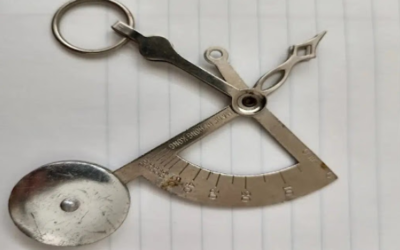
Only Legends Know What This Really Is: The Nostalgic History of the Vintage Postal Scale (And Why We Still Love Them)Leave a comment to learn more about this device and why we still love it 👇🏻💬